

Carbon Solutions Forum
Where regulators, developers, investors, innovators and operators dialogue to scale lower-carbon solutions.
A collaborative environment that unlocks partnership through roundtables, direct access, and Chatham House Rule.
Driving pragmatic, commercially viable outcomes through investment and deployment.

Overview
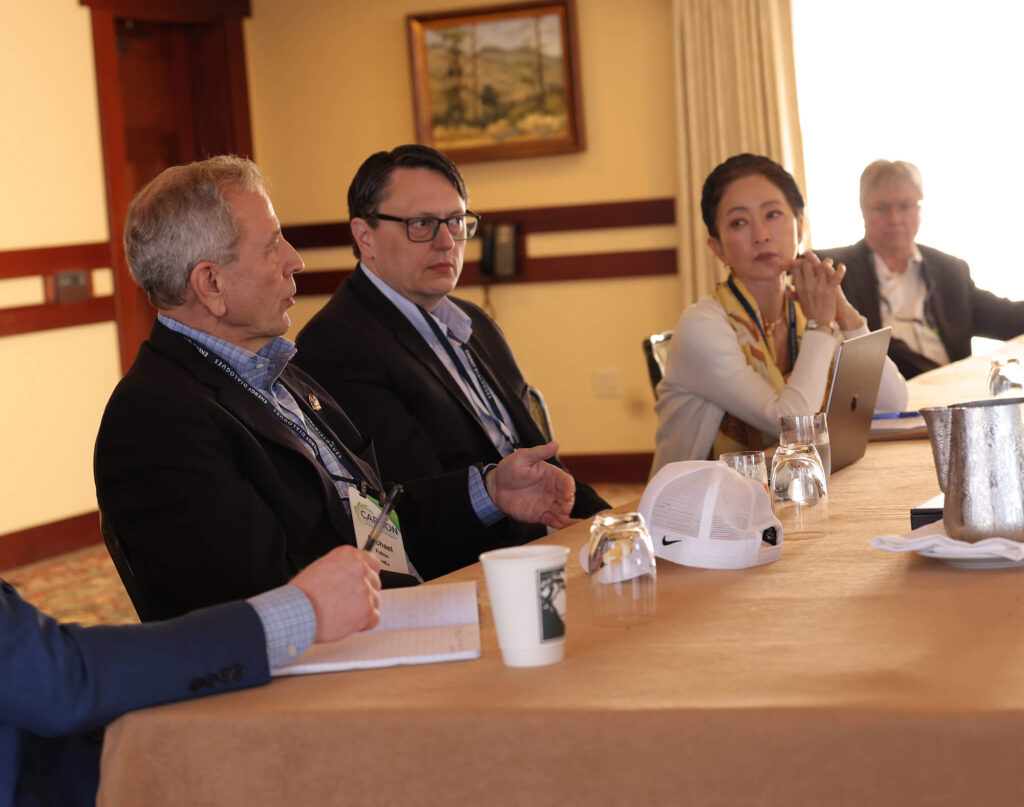
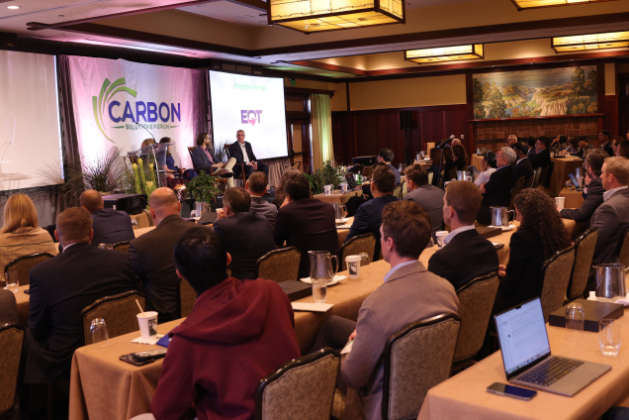
The Carbon Solutions Forum is Energy Dialogues’ premier gathering focused on carbon management across the energy sector. It brings together project developers, technology providers, policymakers, and investors to explore market-based emissions reduction strategies. Discussions center on carbon markets, CCUS deployment, methane abatement, MMRV frameworks, and the economic viability of decarbonization pathways. Designed for practical, technical, and policy-grounded exchange, CSF offers a neutral platform for advancing measurable progress on lower-emission energy solutions.
The Carbon Solutions Forum brings together the most accurate and relevant data in the carbon market.

Chris Johnson, CEO, Agrellus
Our Distinguished Speakers

Scott Mason IV
Regional Administrator, Region 6, US Environmental Protection Agency

Matthew Baker
Commissioner, California Public Utilities Commission (CPUC)

Rajinder Sahota
Deputy Executive Officer, Climate Change & Research, California Air Resources Board

J. Andrew McAllister
Commissioner, California Energy Commission

Doreen M. Harris
President & CEO, NYSERDA

Julie Murphy
Director, Colorado Energy & Carbon Management Commission, Department of Natural Resources

Valerie Reed
Director, Bioenergy Technologies Office, Office of Energy Efficiency & Renewable Energy, U.S. Department of Energy

Jason Bennett
Department Chair – Global Projects, Partner, Baker Botts

Francisco Leon
President & CEO, California Resources Corporation

Reg Manhas
CEO, Lapis Carbon Solutions

Norris Wright
VP, Gas LNG & Low Carbon Origination, Constellation

Hanna Grene
Global Go-to-Market and Innovation, Energy and Resources Industry, Microsoft

Michael Fulton
Chief SAF SME, SAF Guy, FedEx

Isaac Shmulewitz
Managing Director, Antin Infrastructure Partners

Kevin Norfleet
Global Sustainability Director, Celanese

Adam Forni
Tech Lead, Advanced Energy Technologies, Google

Katie Panczak
Vice President, Business Development, DT Midstream

Dana Debel
Managing Director, State and Local Government Affairs,, Delta Air Lines

Suhrid Mantravadi
Partner, Net Zero Opportunities Fund, Grey Rock Investment Partners

Bryan Fisher
Managing Director, Climate Aligned Industries Industry, RMI

Dawn Owens
VP, Head of Development & Commercial Markets, Fervo Energy

Victor Pascucci III
Co-Founder and Managing General Partner, Energy Capital Ventures

Will Kain
Founder & CEO, Avnos

Statton Hammock
General Counsel, Verra

Yuhau Lin
Vice President, Environmental Commodities, Morgan Stanley

Victor Vun
Sr. Director, Investment Team – Clean Fuels, Transportation & Nature, HASI

Jon Dearing
Vice President, Strategy and Public Affairs, National Cement Company

Chris Handwerk
Chief Commercial Officer, AMP Americas

John Litynski
Program Director, Carbon Storage and Sequestration, EQT

Chris Davis
Senior Fellow, The Carbon Policy and Markets Initiative, High Tide Foundation

Christopher Smith
Managing Director, Energy Innovation Capital

Elias B. Hinckley
Partner, Baker Botts

Chris Johnson
CEO, Agrellus

Trevor Best
CEO, Syzygy Plasmonics

Michael Manteris
Co-President, Blue Sky Infrastructure

Katie Sullivan
Managing Director, IETA

Kevin Book
Managing Director, ClearView Energy Partners

Brad Townsend
Vice President, Policy & Outreach, Center for Climate and Energy Solutions

Grant Zimmerman
CEO, AMP Americas

Matt Fry
Director, Center for Energy Regulation and Policy Analysis, School of Energy Resources, University of Wyoming

Fanny Roldan
Consulting Manager – Biofuels, Downstream & Energy Transitions, S&P Global

Heather Rogers
Senior Director, Sustainability and Environmental Markets, California Resources Corporation

Edwin Makkinga
Manager, Climate Policy, Enbridge Inc.

Monika Simoes
Founder & CEO, Energy Dialogues







2026
Lead Partners


2026
Strategic Partners


2026
Corporate Partners


2026
Roundtable Host

2026 key topics covered:
- Federal and state policy outlook & project strategy: Assessing how evolving U.S. and California policies, including 45Q and LCFS updates, influence permitting timelines, project eligibility, and investment decisions across the carbon value chain.
- Decarbonization pathways and scale-up: Evaluating which technologies and business models are proving most effective in delivering measurable emissions reductions, and how policy, capital, and industry partnerships are accelerating deployment.
- Scaling CCS/CCUS across energy facilities: Examining lessons from early U.S. sequestration projects, the pace of Class VI permitting, and how operators are integrating capture into LNG and power plants while managing cost, reliability, and construction risk.
- Emissions-reduction technologies and verification: Exploring how digital, sensor, and AI-enabled MRV systems are enhancing transparency, cutting costs, and aligning with new disclosure and certification requirements.
- Sustainable fuels and molecules – demand, delivery, and cost: Analyzing progress in scaling SAF, RNG, hydrogen, methanol, and ammonia, and how offtake agreements, certification systems, and policy drivers are shaping commercial viability.
- Carbon markets – integrity, liquidity, and compliance: Understanding how evolving standards, verification thresholds, and Article 6 alignment are rebuilding trust and supporting financing for credible carbon projects.
- CO₂ transport and storage infrastructure: Reviewing pipeline and storage readiness, rights-of-way and safety models, and co-location strategies that reduce cost and improve reliability in large-scale carbon delivery.
- Powering decarbonization amid surging demand: Assessing how data center and industrial load growth is driving new partnerships and investments in CCS-enabled power, hybrid generation, and other firm low-carbon options.
- Financing and risk management for low-carbon projects: Identifying the investment structures, offtake terms, and 45Q-backed incentives that are unlocking capital and defining what’s bankable in the current market.
- Cross-sector collaboration and execution models: Highlighting partnerships among operators, financiers, and technology providers that are combining infrastructure, sharing risk, and enabling measurable emissions progress across the energy ecosystem.

Join over 150 energy leaders who are actively shaping decarbonization strategies within their companies and across the industry.
At the Carbon Solutions Forum, senior decision-makers from the entire energy value chain convene to exchange ideas, confront challenges, and identify real-world solutions for carbon management. The program goes beyond theory into practice, equipping participants with the insights, connections, and strategies needed to accelerate meaningful progress.
Gain
Gain actionable insights on carbon markets, CCUS, methane abatement, and MMRV.
Engage
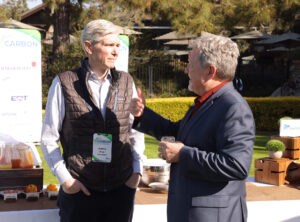
Engage directly with policymakers shaping carbon management regulations.
Discover
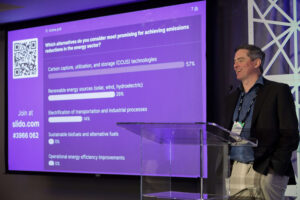
Discover practical deployment strategies for 45Q and other incentive-driven projects.
Explore
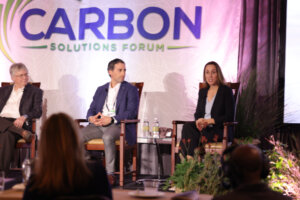
Explore technology innovations driving measurable emissions reduction.
Build
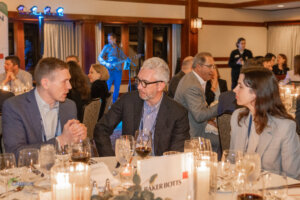
Build partnerships across industry, policy, and finance for decarbonization initiatives.
Navigate
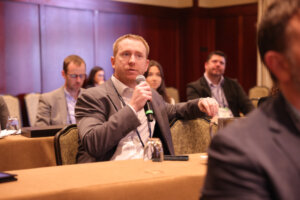
Navigate permitting, funding, and compliance challenges with cross-sector leaders.
Access

Access exclusive, high-level dialogue in a bespoke setting.
Quality discussions with open and honest dialogue about the opportunities and challenges facing participants for growing energy demands juxtaposed against a desire for lower carbon intensity.”
Sean Coerver, Director, Carbon Trading, U.S. Venture Inc.
Energy Dialogues’ Carbon Solutions Forum was unique in its small format and high value content. The best conference for networking that I have attended.
Reid Calhoon, CEO, ClimateWells
Many times we don’t know who our collaborators can be while we meet them at Carbon Solutions Forum for candid conversations for better results and decarbonization.
Katerina Yared, President, Orka Switch Solutions LLC
This forum gathers an amazing group of experts from different parts of the industry and provides the right tools and venue for knowledge and opinion exchange.”
Lucas Mozetic, Project Management Advisor, Repsol

The only conferences I attend after 25 years of traveling the conference circuit.”
Carolina Ortega, VP of Sustainability and Communications, Milestone Environmental Services

Great place to collaborate and productively debate low carbon solution development.”
Adam Waterson, Director, RNG & Sustainable Gas Origination, Constellation

This forum was a very concentrated dose of high-quality information and networking.
Steven Deiker, CEO, Basinwide
If you are curious or interested in connecting with carbon market leaders, the Carbon Solutions Forum is where to go.
Stephen Rhodes, District Manager, Halliburton
Position your organization at the forefront of carbon management by sponsoring the Carbon Solutions Forum, Energy Dialogues’ premier platform for decarbonization strategy discussions and policy frameworks driving measurable emissions reduction.
Why Partner?
Stand alongside leading energy leaders like EQT, Constellation, Lapis and Baker Botts, committed to delivering more energy with fewer emissions. Sponsorship at the Carbon Solutions Forum offers:
- Thought leadership positioning in executive sessions and solution-driven working groups
- High-visibility branding across digital and onsite event platforms
- Direct access to regulatory and policy influencers
- Targeted business development with operators investing in low-carbon initiatives
- On-the-ground intelligence to strengthen your competitive advantage

2026agenda
Day 1
February 18, 2026
Sip & Chip
Hosted by 
Working Groups – 9:00 am – 10:00 am
From Molecule to Megawatt: Supplying Low-Carbon Gas and Power This working group examines how LNG, RNG, CCS-enabled gas, and carbon instruments are being combined into commercially viable offerings that satisfy buyer expectations, regulatory scrutiny, and financing requirements.
- Moderated by: Katie Panczak, Vice President, Business Development, DT Midstream
Pre-FID Reality Check: What Actually Unlocks Capital? Many decarbonization projects fail before the final investment decision. This working group focuses on the practical risks, proof points, and structural choices, across policy, offtake, and execution, which determine whether capital is deployed or delayed.
- Moderated by: Victor Pascucci III, Co-Founder and Managing General Partner, Energy Capital Ventures
Moderators:
Victor Pascucci III
Co-Founder and Managing General Partner, Energy Capital Ventures
Katie Panczak
Vice President, Business Development, DT Midstream
Speaker:
Scott Mason IV
Regional Administrator, Region 6, US Environmental Protection Agency
Speaker:
Doreen M. Harris
President & CEO, NYSERDA
- How are evolving federal and state regulations shaping decarbonization strategies and investment decisions for energy companies?
- Successful case studies: Which initiatives, projects, or technologies are proving most effective in helping companies achieve measurable emissions reductions?
- Has the surge in power demand become a real driver for decarbonization within the energy sector? What partnerships are emerging to deliver reliable, lower-carbon solutions at scale?
- How are companies weighing opportunities in EOR and other decarbonization pathways as they balance near-term revenues with longer-term goals?
- With no standardized models for financing decarbonization projects, how are companies structuring partnerships, offtake agreements, and risk allocation to reach FID and scale?
- What is defining the next wave of decarbonization solutions, and among options such as offsets, RNG, low-carbon fuels, and geothermal, which appear most scalable for the energy sector?
Moderator:
Monika Simoes
Founder & CEO, Energy Dialogues
Speakers:
J. Andrew McAllister
Commissioner, California Energy Commission
Francisco Leon
President & CEO, California Resources Corporation
Bryan Fisher
Managing Director, Climate Aligned Industries Industry, RMI
- Developing RNG at scale: Supply growth, infrastructure integration, and demand outlook
- Moderated by: Chris Handwerk, Chief Commercial Officer, AMP Americas
- Advancing carbon capture hubs: Aligning CO₂ sources, infrastructure, and storage development
- Moderated by: Michael Manteris, Co President & Founder, Blue Sky Infrastructure
- Direct Air Capture pathways: Technology readiness, economics, and integration into carbon markets
- Moderated by: Will Kain, Founder & CEO, Avnos
- Strengthening agricultural data, verification, and market integration
- Moderated by: Chris Johnson, CEO, Agrellus
- Powering data centers: Contractual models, risk allocation, and reliability expectations
Moderators:
Chris Handwerk
Chief Commercial Officer, AMP Americas
Michael Manteris
Co-President, Blue Sky Infrastructure
Will Kain
Founder & CEO, Avnos
Chris Johnson
CEO, Agrellus
Speaker:
Rajinder Sahota
Deputy Executive Officer, Climate Change & Research, California Air Resources Board
- With the first tranche of U.S. sequestration projects expected online in the next two years, what will they reveal about cost, timelines, and pathways to scale?
- Are we seeing any changes in Class VI permit timelines, and what strategies can developers and EPCs adopt to mitigate regulatory bottlenecks?
- How are energy companies approaching CCS integration into LNG and power facilities, and what are the economics and technical tradeoffs of pre-combustion vs. post-combustion capture?
- Where are the most viable anchor customers today, and how can projects balance “easier-to-capture” CO₂ sources with harder-to-abate emissions in the longer term?
- What financing and partnership structures are proving effective in advancing projects as capital, construction, and supply chain costs escalate?
- How can developers and technology providers build synergies across the carbon value chain (capture, transportation, and storage) to accelerate scalability?
Speakers:
Reg Manhas
CEO, Lapis Carbon Solutions
Kevin Norfleet
Global Sustainability Director, Celanese
Jon Dearing
Vice President, Strategy and Public Affairs, National Cement Company
John Litynski
Program Director, Carbon Storage and Sequestration, EQT
Moderator:
Brad Townsend
Vice President, Policy & Outreach, Center for Climate and Energy Solutions
- How are the most promising technologies progressing from early pilots to commercially viable deployment?
- Which barriers (cost, infrastructure, verification) remain most material, and what strategies are emerging to overcome them?
- What viable markets are opening for captured CO₂ across fuels, materials, and chemicals, and how can they create durable revenue streams?
- How can advanced monitoring, digital platforms, and AI strengthen trust, cut costs, and accelerate deployment of decarbonization technologies?
- What models of partnership between energy companies, technology providers, and investors are proving most effective in de-risking adoption?
- Where should operators and financiers focus in 2026–2028 to unlock meaningful system-wide emissions reductions?
Moderator:
Jason Bennett
Department Chair – Global Projects, Partner, Baker Botts
Speakers:
Hanna Grene
Global Go-to-Market and Innovation, Energy and Resources Industry, Microsoft
Adam Forni
Tech Lead, Advanced Energy Technologies, Google
Christopher Smith
Managing Director, Energy Innovation Capital
- Where are the strongest markets emerging, and what are the most realistic timelines for large-scale adoption?
- With production costs still well above conventional fuels, what pathways (biogenic feedstocks, synthetic fuels, methanol, ammonia, hydrogen blends) are showing the best prospects for scale and cost reduction?
- How are offtake agreements evolving across airlines, shipping companies, and freight operators, and which models are credible enough to unlock financing and construction of large-scale projects?
- For the marine sector, what is the real adoption trajectory for methanol- and ammonia-fueled shipping, and what infrastructure investments are needed in ports and bunkering?
- In trucking and rail, how are companies weighing RNG, hydrogen, electrification, and drop-in fuels, and what lessons can be drawn from early pilots?
- How are policy drivers shaping investment decisions, and what global alignment gaps remain?
Moderator:
Fanny Roldan
Consulting Manager – Biofuels, Downstream & Energy Transitions, S&P Global
Speakers:
Valerie Reed
Director, Bioenergy Technologies Office, Office of Energy Efficiency & Renewable Energy, U.S. Department of Energy
Victor Vun
Sr. Director, Investment Team – Clean Fuels, Transportation & Nature, HASI
Michael Fulton
Chief SAF SME, SAF Guy, FedEx
Dana Debel
Managing Director, State and Local Government Affairs,, Delta Air Lines
Day 2
February 19, 2026
- With fewer large new CO₂ sources coming online, how are operators anchoring projects on the most economical streams today and phasing in harder-to-abate loads like power generation over time?
- Where does EOR provide the most value in accelerating volumes and reducing costs, and what standards are needed to prove carbon intensity, permanence, and liability so credits remain credible?
- Which carbon revenue models are actually securing financing, and what protections are lenders requiring before committing capital?
- As tech buyers demand firm, low-carbon power instead of abstract credits, how should operators package and contract offerings to win those deals?
- For forestry, agriculture, and methane credits, what is the minimum monitoring and verification threshold investors and auditors will accept, and how should developers plan for it long term?
- With state permitting uneven and federal rules shifting, how are developers timing FIDs in 2025–2026, protecting eligibility for global schemes such as CORSIA and Article 6, and keeping project schedules realistic?
Moderator:
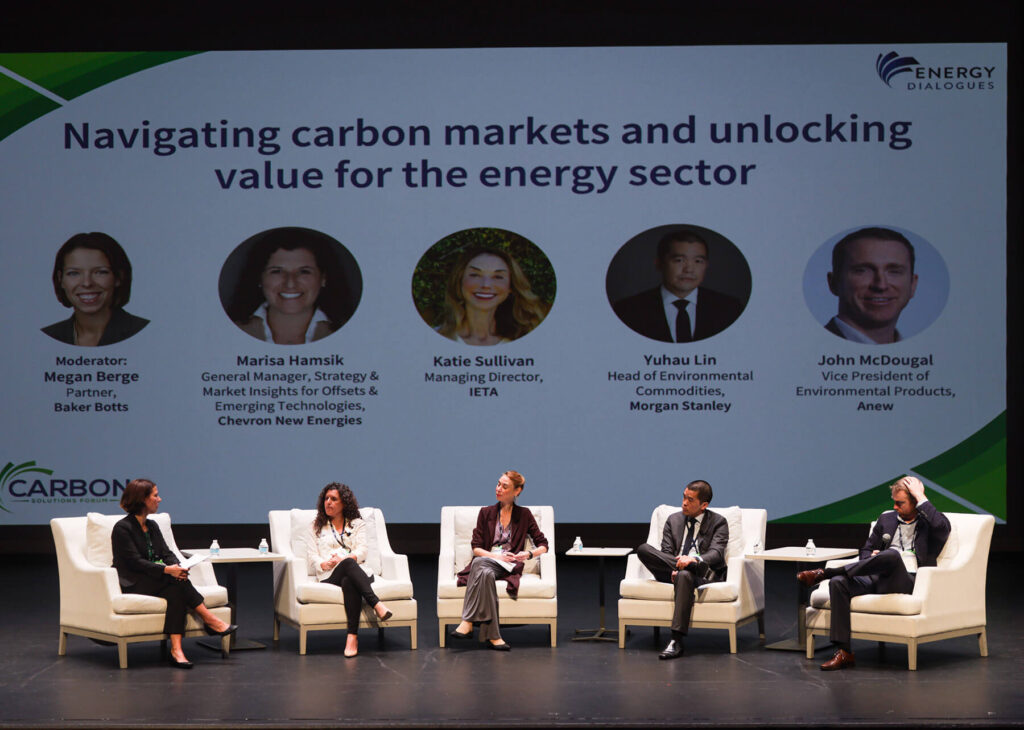
Katie Sullivan
Managing Director, IETA
Speakers:
Statton Hammock
General Counsel, Verra
Yuhau Lin
Vice President, Environmental Commodities, Morgan Stanley
-
Environmental market opportunities to drive decarbonization: low-carbon intensity energy, environmental attribute certificates, offsets, insets, carbon removals
-
Moderated by: Heather Rogers, Senior Director, Sustainability and Environmental Markets, California Resources Corporation
-
- Scaling SAF: Production pathways, infrastructure readiness, and execution risk
- Moderated by: Trevor Best, CEO, Syzygy Plasmonics
- Interpreting Federal Policy Risk in Energy Decarbonization Investments
- Moderated by: Kevin Book, Managing Director, ClearView Energy Partners
- From commitments to compliance: Operationalizing climate disclosure, verification, and execution risk
- Moderated by: Chris Davis, Senior Fellow, The Carbon Policy and Markets Initiative, High Tide Foundation
Moderators:
Heather Rogers
Senior Director, Sustainability and Environmental Markets, California Resources Corporation
Trevor Best
CEO, Syzygy Plasmonics
Kevin Book
Managing Director, ClearView Energy Partners
Chris Davis
Senior Fellow, The Carbon Policy and Markets Initiative, High Tide Foundation
Speaker:
Matthew Baker
Commissioner, California Public Utilities Commission (CPUC)
- How is the surge in power demand from data centers and industry driving energy providers to embed CCS, nuclear, and hybrid solutions into their strategies and how quickly can they do it?
- What role are power providers playing as intermediaries between tech companies and CCS developers, and how are partnership and contracting models evolving?
- What level of clarity on risk, reliability, and electricity costs do hyperscalers expect from energy suppliers offering CCS and other low-carbon solutions?
- Which technology pathways (from CCS retrofits on natural gas to small modular reactors, clean fuels, RNG, or hybrid renewables-plus-firm backup) are proving most viable for dependable low-carbon baseload power?
- Given that permitting, grid interconnection, and CCS build timelines often stretch multiple years, what near-term bridging strategies can support these demand surges?
- What lessons can be drawn from past hyperscaler renewable deals and early CCS pilots in terms of risk management, uptime expectations, and alignment between supply and load?
Speakers:
Norris Wright
VP, Gas LNG & Low Carbon Origination, Constellation
Dawn Owens
VP, Head of Development & Commercial Markets, Fervo Energy
Moderator:
Grant Zimmerman
CEO, AMP Americas
- How ready are CO₂ transport and storage networks, and what are realistic timelines for Class VI permits and first injections?
- Where does new CO₂ pipeline make sense vs. repurposing legacy assets? What right-of-way, safety, and community-engagement practices are the most effective?
- What are practical models to site combined-cycle (or existing gas) next to storage to cut capture/transport risk and meet data-center uptime?
- How are transmission and interconnection constraints being managed for large, high-density loads, and what near-term fixes align with 24/7 low-carbon procurement standards?
- With EOR near 45Q parity, where does EOR accelerate early volumes, reduce unit costs, or enable phased scale vs. going straight to saline storage?
- What infrastructure-grade structures are underwriting pre-FID (storage tariffs, CO₂ offtake, take-or-pay, credit backstops), and how is schedule/capex risk allocated?
Moderator:
Matt Fry
Director, Center for Energy Regulation and Policy Analysis, School of Energy Resources, University of Wyoming
Speaker:
Julie Murphy
Director, Colorado Energy & Carbon Management Commission, Department of Natural Resources
- Where are investors deploying capital today, and what hurdle rates and risk screens are these options clearing? What are the most attractive financing opportunities in wires and pipes for data centers, and which cost-sharing models reduce stranded-asset risk and shield retail customers?
- Which revenue streams make projects bankable now (45Q, carbon-intensity premiums, long-term 24/7 power contracts) and how reliable is the timing of those cash flows?
- With permitting and scheduling still uncertain, what protections are needed before FID and during construction to keep projects on track?
- For RNG and methane capture portfolios, how are carbon-intensity claims verified and audited across the contract life?
- What commercial proof points (offtake tenor, counterparty quality, delivered cost, uptime) will unlock scale and attract infrastructure capital beyond the pilot stage?
Moderator:
Elias B. Hinckley
Partner, Baker Botts
Speakers:
Isaac Shmulewitz
Managing Director, Antin Infrastructure Partners
Suhrid Mantravadi
Partner, Net Zero Opportunities Fund, Grey Rock Investment Partners
Victor Pascucci III
Co-Founder and Managing General Partner, Energy Capital Ventures
 Connect
Morning Sip & Chip: Coastal Connections & Carbon Dialogue
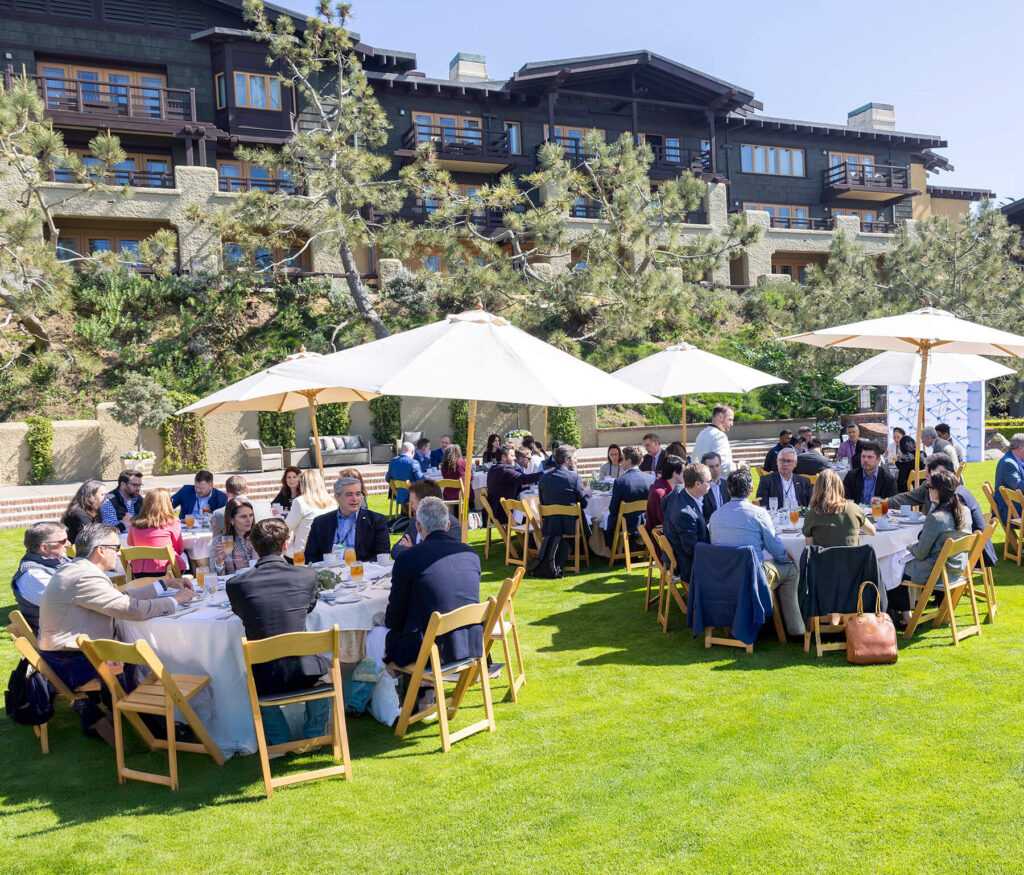
Start your day with fresh coffee, light bites, and coastal air as you connect with fellow CSF participants over a casual putting green warm-up. With panoramic ocean views and low-key conversation, this morning social sets the stage for thoughtful exchange on carbon strategies before the sessions begin.

Energy Perspectives Podcast
Hosting extraordinary dialogue that is timely, relevant, and significant by focusing on the global scale of energy, right down to the micro details.
The aim is to have strategic dialogue, welcoming diverse viewpoints from participants within and outside the industry, as well as the formation of solutions driving a sustainable energy pathway forward, critical amidst an on-going energy transition.
Profitability Meets Decarbonization: Insights from Baker Botts, Tenaska, and Climate Wells
Profitability Meets Decarbonization: Insights from Baker Botts, Tenaska, and Climate Wells
Profitability Meets Decarbonization: Insights from Baker Botts, Tenaska, and Climate Wells
Profitability Meets Decarbonization: Insights from Baker Botts, Tenaska, and Climate Wells
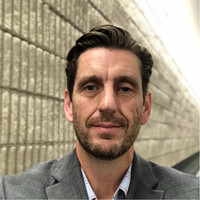

- Jason Bennett, Department Chair – Global Projects, Partner, Baker Botts
- Bret Estep, Vice President, Development, Tenaska
- Reid Calhoon, Founder & CEO, ClimateWells
Energy Perspectives: The Complexities & Challenges of Carbon Markets
Energy Perspectives: The Complexities & Challenges of Carbon Markets
Energy Perspectives: The Complexities & Challenges of Carbon Markets
Energy Perspectives: The Complexities & Challenges of Carbon Markets


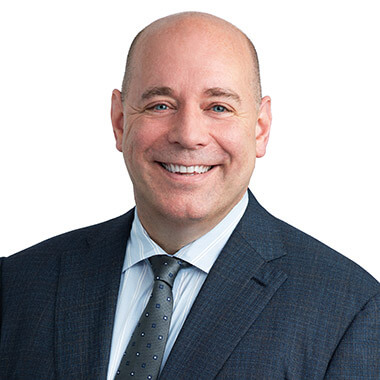
- Marisa Hamsik, General Manager, Strategy & Market Insights for Offsets & Emerging Technologies, Chevron New Energies
- John McDougal, Vice President of Environmental Products, Anew
- Jason Bennett, Department Chair – Global Projects, Partner, Baker Botts L.L.P.
Available on:




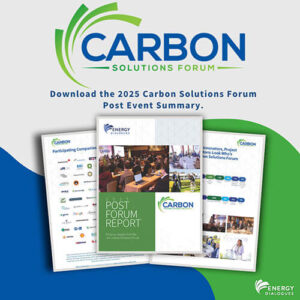
Get exclusive access to insights from the Carbon Solutions Forum 2025.
This report captures key takeaways from executive-level discussions on scaling CCUS, navigating permitting and policy shifts, unlocking investment in carbon solutions, and deploying technologies that drive real emissions progress. It’s a must-read for anyone shaping the next phase of decarbonization strategy.
Certain perspectives in this report may reflect expectations about future conditions. These viewpoints are subject to change and should not be interpreted as predictions or investment advice


Permian Energy Dialogues
Austin TX
North American Gas Forum
Washington DC